
December 2024
Owning an acoustic piano is a rewarding experience, but keeping it in top condition requires regular maintenance, especially piano tuning. Whether you’re a professional musician or a casual player, tuning your piano is crucial for preserving its sound quality and ensuring an enjoyable playing experience. However, many factors—such as the type of piano, environmental conditions, and geographical location—can influence how often and how well your piano stays in tune. In this article, we’ll explore the best practices for piano tuning, discuss the differences between tuning grand and upright pianos, and examine how climate and location impact tuning needs. By understanding these elements, you can keep your piano sounding its best year-round.
Why should you regularly tune your acoustic piano?
Piano tuning is essential to maintain the instrument’s sound quality and playability. Over time, the tension on the piano strings naturally changes due to environmental factors and regular playing, causing the piano to go out of tune. A well-tuned piano produces clear, harmonious tones, ensuring a pleasant experience for both the pianist and the audience. Tuning your piano at least twice a year, even if it isn’t played frequently, prevents prolonged strain on the instrument’s internal components, protecting its longevity. Regular piano tuning is a simple step to safeguard your investment and enjoy consistent musical performance.
What are the differences in tuning grand pianos versus upright pianos?
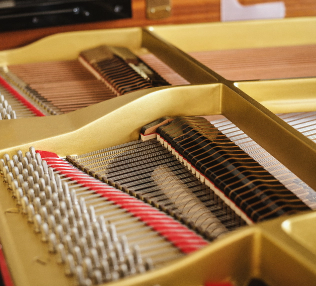
While both grand and upright pianos require regular tuning, the process and considerations differ slightly due to their designs. Grand pianos have horizontal string alignment, which allows for easier access to the tuning pins and a more precise tuning process. Upright pianos, on the other hand, have vertically-aligned strings, making access more challenging and requiring additional care during tuning. Additionally, the size of a grand piano often results in a richer sound that may highlight tuning irregularities more prominently than an upright piano. Regardless of type, consistent piano tuning ensures both instruments deliver their full tonal potential.
How does weather affect piano tuning?
Weather and geographical location play a significant role in a piano’s tuning stability. Fluctuations in humidity and temperature can cause wooden components inside the piano, such as the soundboard, to expand and contract, leading to shifts in string tension and affecting the instrument’s pitch. In areas with distinct seasonal variations, frequent piano tuning may be necessary to counteract these environmental changes. Similarly, your geographical location’s climate can further influence tuning needs. High-humidity regions, such as coastal areas, may accelerate changes in the wood, requiring more frequent tunings, while drier climates can cause shrinkage and potential instability. To minimize these effects, maintaining a consistent indoor climate with tools like a piano-specific humidifier or climate control system can help preserve tuning stability. If you live in an area with extreme weather conditions, it’s also essential to schedule regular tunings with a qualified technician who understands the unique challenges of your environment.
What are the best practices to ensure your piano stays in tune?
Maintaining a consistent indoor climate is one of the most effective ways to extend the time between piano tunings. Position your piano away from direct sunlight, heating vents, and exterior walls to minimize temperature and humidity fluctuations. Additionally, keep up with routine maintenance and schedule professional piano tuning at least biannually—or more often if the instrument is heavily used. By scheduling professional piano tuning at least twice a year, maintaining a stable indoor climate, and addressing environmental challenges specific to your region, you can ensure your piano stays in optimal condition. With these practices, your piano will continue to provide beautiful, harmonious music for years to come.