October 2024
Piano Lessons in the Digital Age: Apps, Online Classes, and YouTube Tutors
The world of piano learning has transformed dramatically in recent years. Gone are the days when students needed to physically attend lessons at a teacher’s home or a music school. Today, a wealth of resources exists online, from dedicated apps to professional YouTube tutors. This shift has made piano education more accessible than ever, offering a range of tools tailored to different learning styles, schedules, and budgets. Additionally, the introduction of high-end digital pianos provides students with cutting-edge technology that blends the feel of an acoustic piano with the convenience of digital features.
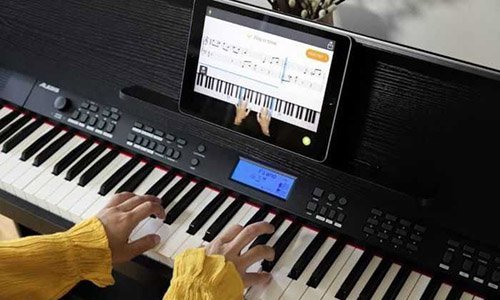
One of the most popular tools for learning the piano today is mobile apps. Apps like Simply Piano and Flowkey offer interactive lessons that cater to both beginners and more experienced players. These apps guide users step-by-step, tracking their progress through their device’s microphone or a MIDI connection. According to a report by Barchart, a leading provider of global market data, online music education, including piano apps, has seen a sharp rise in demand since 2020, with more learners embracing these digital tools for their convenience and affordability [1]. As piano tutelage apps rise in popularity, so too do digital pianos. These pianos, like the Yamaha CLP-835, are equipped with advanced Bluetooth MIDI functionality, making them an ideal companion for such apps. The CLP-835’s ability to connect seamlessly to learning platforms allows for a more intuitive experience, offering real-time feedback that helps students improve faster. Meanwhile, Yamaha’s Silent Piano™ systems allow learners to practice silently through headphones, combining acoustic play with the privacy and flexibility of digital technology—perfect for late-night practice without disturbing others.
In addition to apps, many learners are turning to structured online courses. Platforms like MasterClass offer professionally produced lessons taught by renowned musicians. These courses provide a more traditional, teacher-led experience but are accessible from anywhere with an internet connection [2]. With a digital piano like Yamaha’s CLP-875, which features GrandTouch™ key action and Binaural Sampling for immersive headphone play, students can replicate a real piano learning environment. This blend of digital technology with online learning enhances the piano lesson experience, enabling learners to practice complex pieces with confidence. For those seeking a more personalized approach, instructors may recommend Yamaha’s Disklavier, which allows students to record and playback their performances for self-assessment, offering the detailed feedback necessary for refining skills.
YouTube has become a go-to platform for piano learners, with a wide range of channels offering tutorials, tips, and full lessons. Some channels are run by individual musicians, while others are backed by professional institutions. On the Faust Harrison Pianos YouTube Channel, for example, performances, product reviews, and expert insights on piano maintenance and playing techniques are featured [3]. Pairing these tutorials with a model like Yamaha’s CLP-895GP, which offers concert grand piano sound and Virtual Resonance Modeling (VRM), is ideal for learners. The model allows them to experiment with a variety of sound settings while practicing, enabling immersive learning. Another popular channel is Piano Lessons on the Web, run by Timothy Wurm, a seasoned piano teacher who provides clear and engaging tutorials for learners at every level [4]. The versatility of Yamaha’s CLP800 series gives learners the flexibility to engage with these resources at their convenience.
While apps and online classes are convenient, they do have some limitations. Self-motivation is crucial in these formats, as there is no teacher physically present to ensure students are practicing regularly or properly. Some learners may also miss the social aspect of traditional lessons, where they can interact with both their teacher and fellow students. Nonetheless, there are some digital platforms actively working to address the socialization challenges that have emerged alongside remote learning. Udemy, the online learning marketplace that currently offers 545 courses in piano technique alone, is addressing these concerns by incorporating community features, such as student forums or live group classes [5].
Overall, piano lessons in the digital age offer a blend of flexibility and variety that caters to modern learners. Whether you prefer the structure of online courses, the interactivity of apps, or the freewheeling nature of YouTube tutorials, there are countless resources available to help you master the keys. With tools like Yamaha’s CLP-895GP and CLP-845, learning the piano has never been more accessible—or more advanced. For those willing to embrace these new technologies, mastering the piano can be a smoother and more enjoyable journey than ever before.
References:
[1] Barchart. “Online Music Education Market Size, Statistics, Opportunities And Reports 2030.” [https://www.barchart.com/story/news/13389245/online-music-education-market-size-statistics-opportunities-and-reports-2030]
[2] MasterClass. “Music Classes: Piano with Herbie Hancock.” [https://www.masterclass.com/classes/herbie-hancock-teaches-jazz]
[3] Faust Harrison Pianos. YouTube Channel. [https://www.youtube.com/c/FaustHarrisonPianos]
[4] Piano Lessons on the Web. YouTube Channel. [https://www.youtube.com/c/PianoLessonsOnTheWeb]
[5] Udemy. “Learn Piano with Online Courses.” [https://www.udemy.com/topic/piano/]
[6] Yamaha. “Yamaha CLP-800 Series Features.” [https://usa.yamaha.com/products/musical_instruments/pianos/clavinova/clp-800_series/index.html]